
How Does Acupuncture Work?
The Science and History of Acupuncture

Acupuncture is a form of healthcare that has been practiced in China and throughout East Asia for thousands of years. One of the earliest major texts describing acupuncture and Chinese medicine is the Huangdi Neijing (The Yellow Emperor's Classic of Internal Medicine), compiled more than 2,000 years ago.
Traditional acupuncture is based on the idea that the body functions as an interconnected system. Acupuncture points are located throughout the body and are traditionally connected through pathways called meridians. From this perspective, illness and pain can occur when the body's normal balance and flow of qi (pronounced "chee") are disrupted.
Today, we can also study acupuncture through the lens of modern anatomy, neuroscience, and physiology. Research has shown that acupuncture produces measurable effects on the nervous system, muscles, connective tissue, circulation, and the body's natural pain-regulating systems.
What Happens When an Acupuncture Needle Goes In?
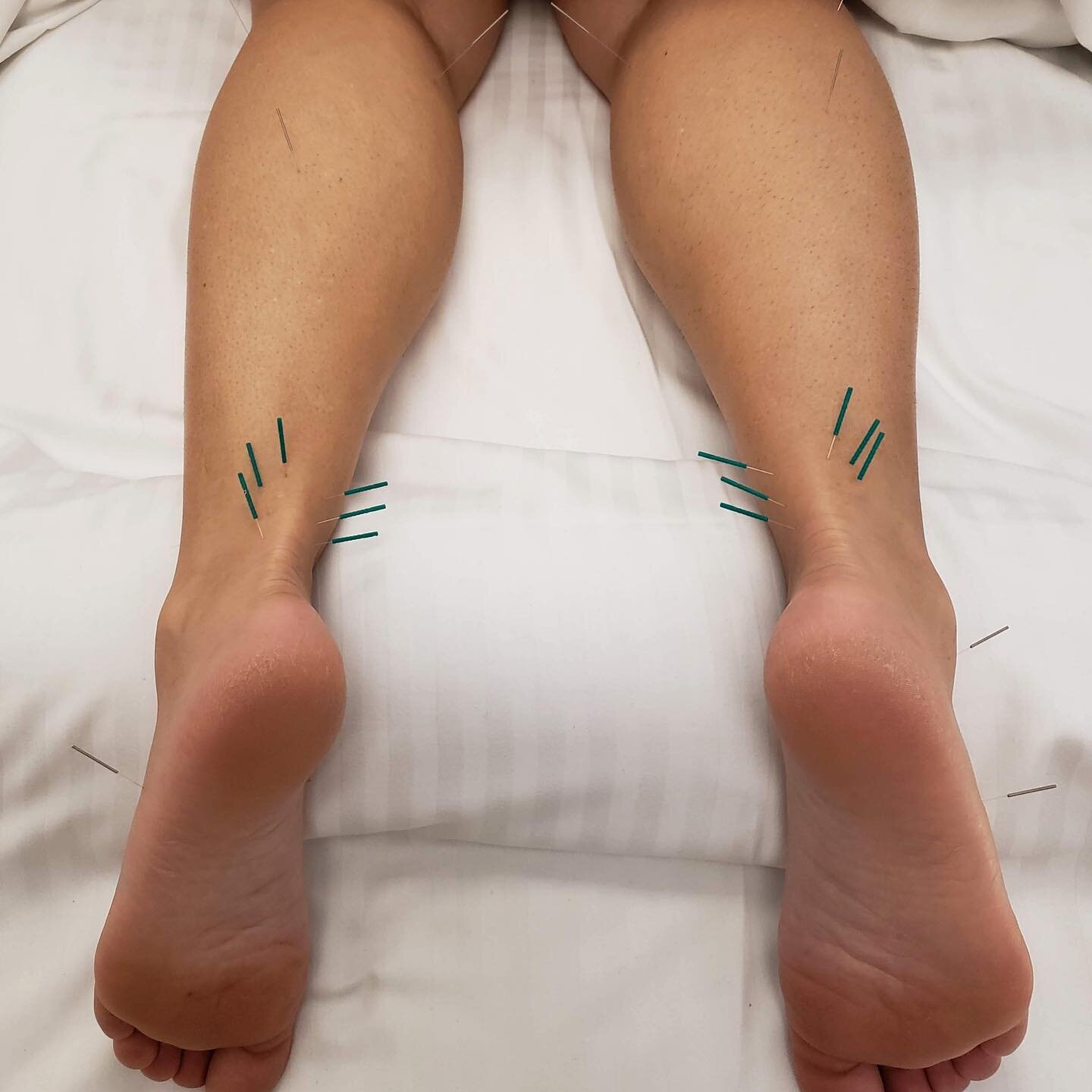
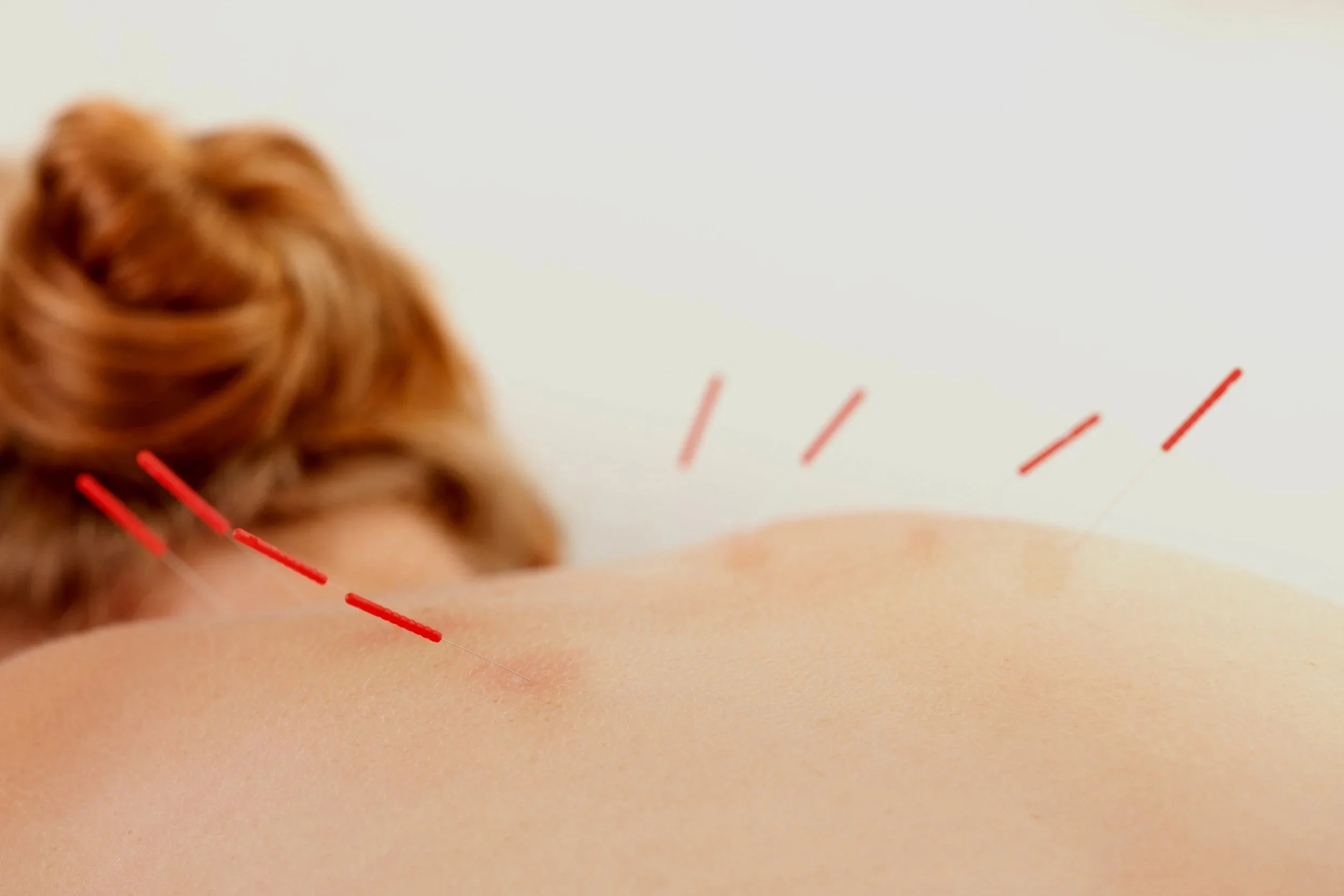
Acupuncture needles are extremely thin, solid needles. Unlike the needles used to give injections or draw blood, they are not hollow and do not inject anything into the body. When an acupuncture needle enters the skin, it stimulates tiny sensory nerve endings in the surrounding tissue. Those nerves send information to the spinal cord and brain, where the nervous system processes the sensation. This is one of the reasons acupuncture can have effects that extend beyond the exact location of the needle. Think of an acupuncture needle as providing the nervous system with a small, controlled sensory signal. The body responds to that signal through a combination of local effects and changes in how the nervous system processes pain and other sensory information.
Why Does Acupuncture Help With Pain?
Pain is more complicated than simply having an injury or something "wrong" with a particular body part. Your nervous system is constantly receiving information from your tissues and deciding how much of that information should be experienced as pain. Acupuncture can influence this process. Needling activates sensory nerves that communicate with the spinal cord and brain. These signals can stimulate some of the body's natural pain-relieving mechanisms and influence the pathways that regulate incoming pain signals.
Research has found that acupuncture can affect the release of endorphins and other naturally occurring chemicals involved in pain regulation. It can also influence areas of the brain and spinal cord involved in controlling pain. In simple terms, acupuncture may help the nervous system turn down the volume on pain. This is one reason acupuncture can sometimes help even when the needle is not placed directly where you hurt.
What About Muscles and Tightness?
Acupuncture can also have local effects on muscles and other tissues. When a needle is placed into or around a tense or painful muscle, the mechanical stimulation can affect sensory nerves and muscle activity. This may help decrease muscle tension and change the way the nervous system is receiving information from that area. Some patients describe this as feeling like a muscle "releases" during treatment. Acupuncture can therefore be useful for many common problems involving muscles and joints, including neck and back pain, headaches, shoulder pain, and other forms of musculoskeletal pain.
Why Does Acupuncture Sometimes Feel Like an Ache, Heaviness, or Tingling?
One of the most common questions I hear is: "What am I supposed to feel when the needle goes in?"
The answer is: it varies. You may feel a brief prick when the needle passes through the skin. Once the needle is in place, you may feel:
a dull ache
heaviness or pressure
warmth
tingling
a sensation that seems to spread away from the needle
or sometimes almost nothing at all
These sensations occur because different types of sensory nerves respond to different kinds of stimulation. A deeper, dull or heavy sensation is very different from the quick, sharp sensation you may feel when the needle first enters the skin. You do not need to feel a strong sensation for acupuncture to be effective. Some treatments produce very little sensation, while others produce a more noticeable response. Acupuncture should also not be excessively painful. If a needle feels sharply painful, excessively uncomfortable, or produces an intense electrical sensation, let your practitioner know so the needle can be adjusted.
Is Acupuncture the Same as Dry Needling?
Acupuncture and dry needling are related, but they are not exactly the same treatment. Both use very thin, solid needles, and there is considerable overlap in the way the body responds to the needles. Dry needling is generally focused on muscles, myofascial trigger points, and other musculoskeletal structures. A practitioner may use a needle to specifically target a tight or painful muscle.
Acupuncture uses a broader treatment system. Needles may be placed near the painful area, but they may also be placed elsewhere on the body. Point selection can be based on traditional acupuncture theory, symptoms, physical examination, anatomy, or a combination of these approaches. For example, if you have shoulder pain, an acupuncture treatment might include points around the shoulder as well as points on the arm, hand, leg, or elsewhere on the body.
Although the two approaches use different clinical frameworks, they can sometimes produce similar physiological effects because both are stimulating the nervous system with a needle.
Why Would You Put a Needle Somewhere That Doesn't Hurt?
This is one of the things that can seem strange if you are new to acupuncture. If your knee hurts, why put a needle in your hand? The reason is that acupuncture isn't simply trying to affect the tissue directly underneath the needle. The nervous system is interconnected. Sensory information from one part of the body communicates with the spinal cord and brain, where it can interact with other sensory and pain pathways. Some acupuncture points are therefore used because they can influence pain and nervous system activity beyond the immediate area being treated. This doesn't mean that every point affects every part of the body. Rather, acupuncture uses the nervous system's interconnected nature as part of its treatment strategy.
Acupuncture and the Nervous System
Your nervous system is constantly receiving information from your skin, muscles, joints, and internal organs. It helps regulate:
pain
movement
muscle activity
digestion
heart rate
blood pressure
sleep
stress responses
Acupuncture provides a controlled sensory input to this system. Research suggests that acupuncture can influence both the peripheral nervous system (the nerves throughout the body) and the central nervous system, including the spinal cord and brain. Acupuncture may also influence the balance between the sympathetic and parasympathetic nervous systems. The sympathetic system helps your body respond to stress and activity, while the parasympathetic system supports functions such as rest and digestion. This may be one reason many people experience a feeling of deep relaxation during or after an acupuncture treatment.
What Does the Research Say?
Acupuncture has been studied extensively, particularly for pain. Research supports acupuncture as a useful treatment option for a number of conditions, including:
chronic low back pain
neck pain
osteoarthritis pain
headaches and migraine
postoperative pain
other musculoskeletal pain conditions
Acupuncture has also been studied for problems such as nausea and vomiting, including nausea associated with surgery and certain cancer treatments. The quality and strength of the evidence varies depending on the condition, and acupuncture is not a cure-all. Like any medical treatment, it works better for some conditions and some people than others. For many patients, acupuncture is most useful as one part of a larger treatment plan, alongside exercise, physical therapy, medication, lifestyle changes, or other appropriate medical care.
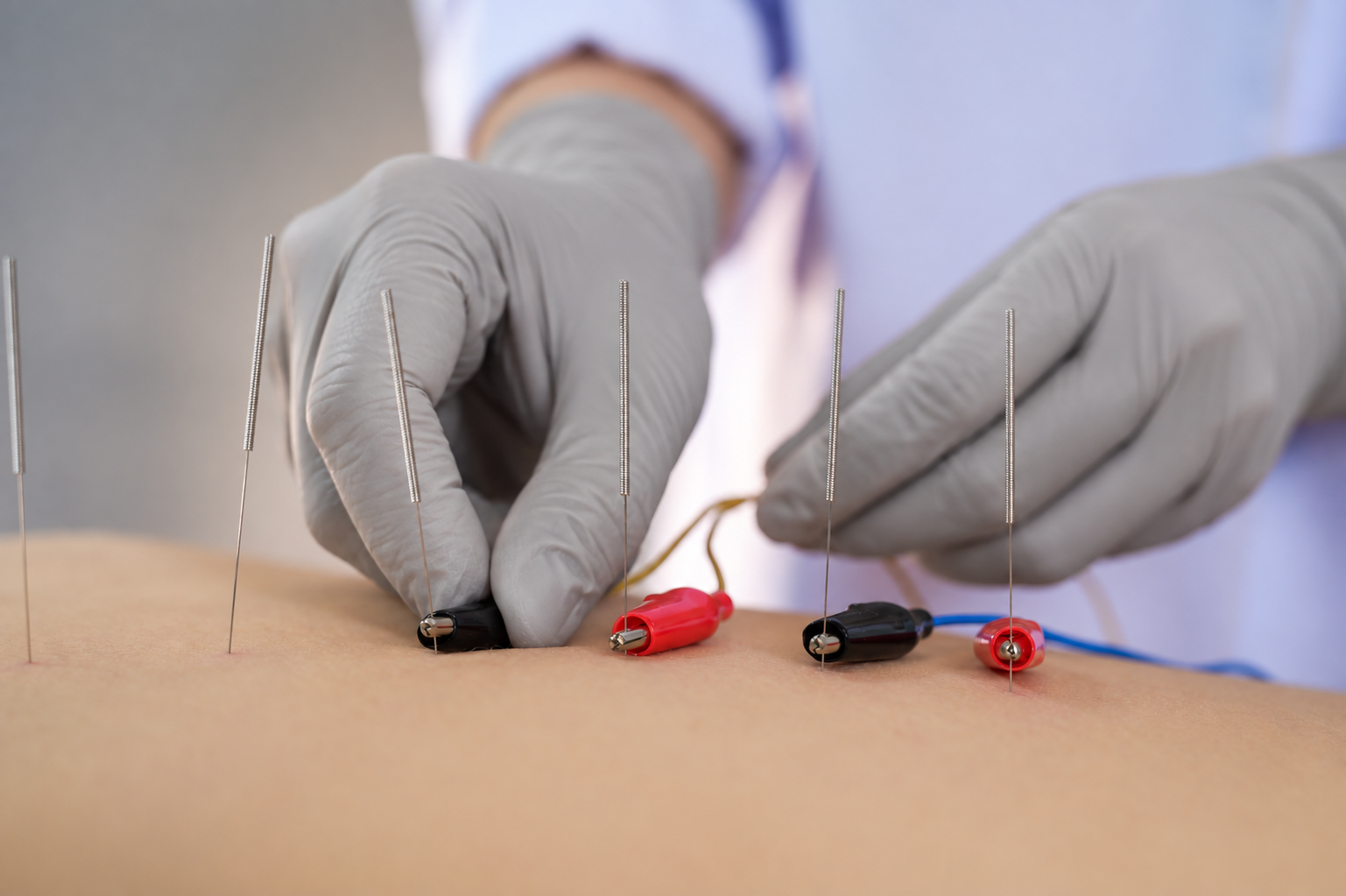
What is Electro-Acupuncture?
Electro-acupuncture combines traditional acupuncture with gentle electrical stimulation. Small, controlled pulses are delivered from a device to acupuncture needles, creating a mild tapping or pulsing sensation. The electrical stimulation provides a consistent signal to the sensory nerves, helping engage the body’s natural pain-modulating pathways. It is often used for musculoskeletal and chronic pain, and may be particularly helpful when a stronger or sustained stimulus is desired. Like acupuncture, electro-acupuncture is tailored to the individual and is not appropriate for every patient.