

The Science Behind Acupuncture and Stress Reduction
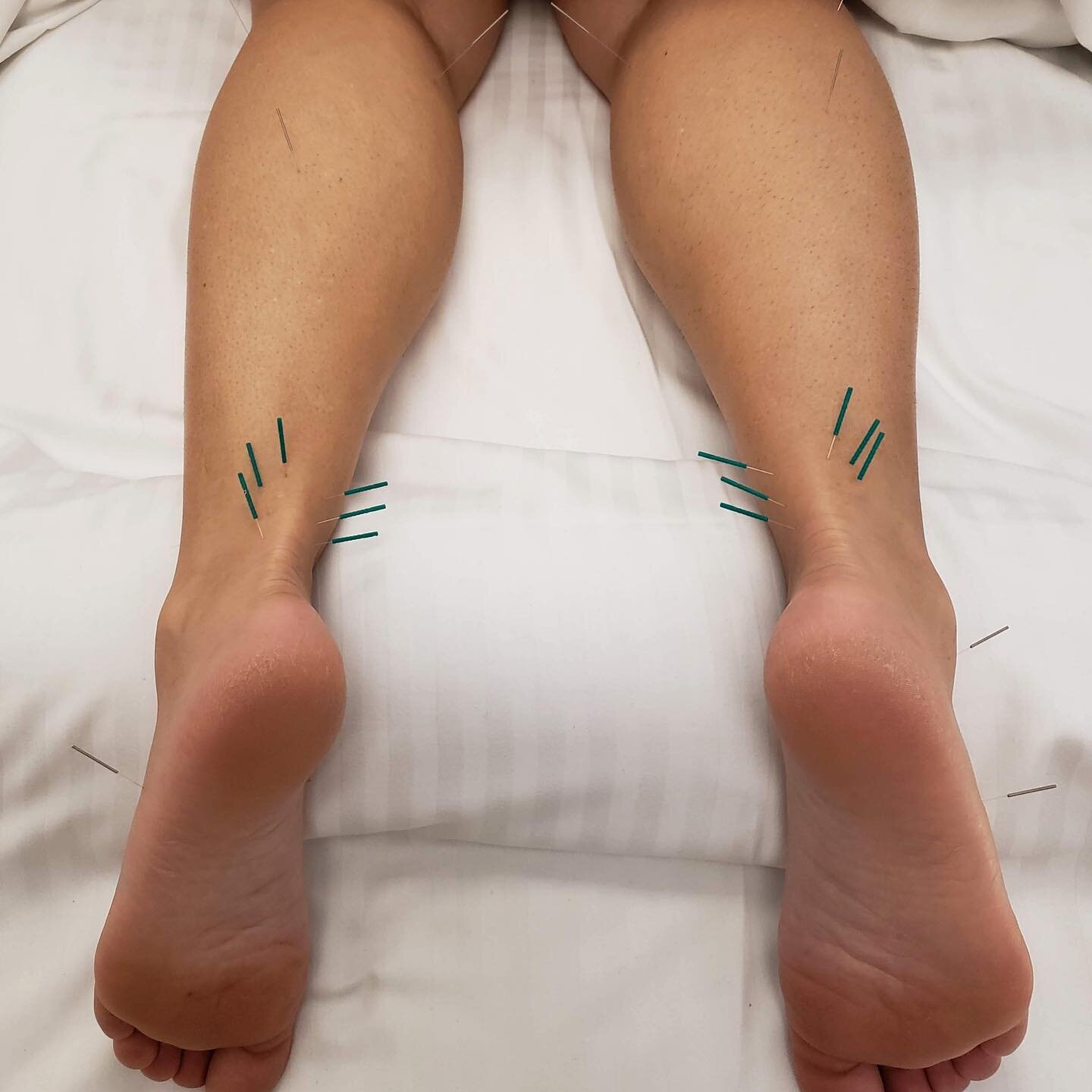
Acupuncture is one of the most well-researched complementary therapies for stress relief. Studies have shown that acupuncture helps regulate the autonomic nervous system, reducing sympathetic (fight-or-flight) activity while enhancing parasympathetic (rest-and-digest) activation. This shift allows the body to transition into a state of deep relaxation and healing, counteracting the negative effects of prolonged stress.
Through its ability to modulate neurotransmitters and hormones, acupuncture promotes the release of endorphins (natural painkillers and mood stabilizers) and reduces cortisol levels, the hormone associated with chronic stress. Additionally, acupuncture enhances blood circulation, improves oxygen delivery to tissues, and supports immune function, all of which are compromised under chronic stress.
The Impact of Stress and the Role of Acupuncture in Stress Reduction
Stress is a pervasive issue in modern society, significantly impacting both physical and mental health. Recent data indicates that 42% of adults report feeling more stressed than average, with younger generations experiencing it more intensely (51%) compared to Gen X and older individuals (37%) (nypost.com). Additionally, approximately 83% of U.S. workers suffer from work-related stress (Wikipedia). A quarter of Americans experience burnout before the age of 30, with the average peak burnout age being 42. Parents are also disproportionately affected, with 33% experiencing high stress levels compared to 20% of non-parents (nypost.com).
Given these concerning statistics, integrating effective stress management techniques like acupuncture can offer significant benefits.
The Negative Effects of Chronic Stress
When stress becomes chronic, it can manifest in a variety of physical and psychological symptoms, including:
Physical Symptoms: Headaches, muscle tension, chest pain, fatigue, digestive upset, high blood pressure, sleep disturbances.
Mental & Emotional Symptoms: Anxiety, depression, irritability, lack of focus, feelings of overwhelm, restlessness.
Behavioral Symptoms: Overeating or loss of appetite, social withdrawal, reduced motivation, reliance on stimulants or alcohol.
Left unmanaged, chronic stress can increase the risk of serious health conditions, including cardiovascular disease, weakened immune function, and metabolic disorders.